
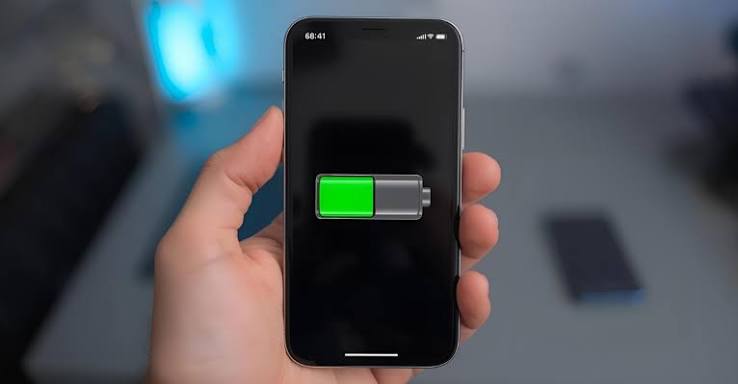
iPhone Battery Health: What Percentage Is Good Before Buying? Complete Ireland Guide 2026
Buying a refurbished or used iPhone in Ireland in 2026 can be an excellent way to get a premium smartphone without paying the full price of a new device. However, before choosing a particular iPhone, there is one specification you should always pay attention to: battery health.
You may see refurbished iPhones advertised with battery health percentages such as 100%, 95%, 90%, 85% or lower. But what do these numbers actually mean? Is 90% battery health still good? Should you avoid an iPhone with 85% battery health? And when does a lower percentage become a reason to consider another device?
Understanding battery health can help you make a more informed purchase.
An iPhone battery naturally loses some of its original capacity as it ages and goes through charging cycles. A lower maximum-capacity percentage does not automatically mean that the phone is faulty, but it can affect how long the device lasts between charges.
For Irish shoppers considering a refurbished iPhone, the best approach is to look at battery health alongside the phone's model, condition, storage, price, warranty and overall value.
In this guide, we explain what iPhone battery health means, what percentage is good before buying, whether 90% or 85% battery health is acceptable, when battery replacement may become relevant, and what else you should check before purchasing a refurbished iPhone.
Written by the Fonez4u Editorial Team
This guide has been prepared by the Fonez4u Editorial Team, with a focus on refurbished smartphones, iPhone buying advice and practical mobile technology guidance. Our content is created to help customers compare devices, understand battery condition and make informed purchasing decisions based on real-world usage and value.
Why iPhone Battery Health Matters When Buying Used

Battery health is important because the battery is one of the components that naturally ages over time.
When an iPhone is new, its battery is designed to provide a certain amount of capacity. As the battery experiences chemical ageing, its ability to hold the same amount of charge can gradually decrease.
This means a refurbished iPhone with lower battery health may not last as long between charges as the same model with a newer battery.
For example:
-
An iPhone at 100% maximum capacity has retained its full original capacity according to the device's measurement.
-
An iPhone at 90% has retained approximately 90% of its original maximum capacity.
-
An iPhone at 85% has retained approximately 85%.
-
An iPhone at 80% has experienced more significant capacity loss.
However, battery health is not the same as the percentage shown beside the battery icon.
Your iPhone could show 100% charge while its maximum capacity is only 85%.
That distinction is important when inspecting a used or refurbished iPhone.
Quick Answer: What Battery Health Percentage Is Good?
For most refurbished iPhone buyers, 90% or higher is a very good target.
A practical way to think about battery health is:
| Battery Health | General Condition | Buying Advice |
|---|---|---|
| 95–100% | Excellent | Excellent choice |
| 90–94% | Very good | Recommended |
| 85–89% | Good | Can offer good value |
| 80–84% | Ageing | Check price and condition carefully |
| Below 80% | Significantly degraded | Consider battery replacement or another device |
These ranges are intended as a practical buying guide rather than a strict pass-or-fail system.
An iPhone with 88% battery health can still be an excellent purchase if it is in great condition, competitively priced and covered by suitable warranty protection.
Likewise, an iPhone showing 100% battery health is not automatically the best deal if it is considerably more expensive or has other problems.
What Does iPhone Battery Health Actually Mean?

The Maximum Capacity figure estimates the battery's capacity relative to when it was new.
You can normally find this information by going to:
Settings → Battery → Battery Health & Charging
The wording and available information can vary depending on the iPhone model and iOS version.
For example, if an iPhone displays:
Maximum Capacity: 92%
this means the battery has retained approximately 92% of the capacity it had when new, according to Apple's measurement.
This does not mean the iPhone only works at 92% performance.
It primarily relates to the amount of charge the battery can hold compared with its original capacity.
Is 100% Battery Health the Best?

A battery showing 100% maximum capacity is certainly attractive, but you should not make your entire buying decision based on that number.
A refurbished iPhone may have received a battery replacement as part of the refurbishment process. A high battery-health percentage therefore needs to be considered alongside information about the device and its parts.
Before buying, consider:
-
Battery health
-
iPhone model
-
Storage capacity
-
Physical condition
-
Camera condition
-
Display
-
Face ID or Touch ID
-
Charging port
-
Network compatibility
-
Warranty
-
Returns policy
-
Overall price
The goal is not simply to find the highest percentage.
The goal is to find the best overall iPhone for your money.
Is 95% Battery Health Good?

Yes. 95% battery health is excellent for a used or refurbished iPhone.
At this level, the battery has retained most of its original capacity.
If two otherwise identical refurbished iPhones are available at similar prices and one has 95% battery health while the other has 85%, the 95% option would generally be more attractive.
However, you should still compare the complete deal.
A 95% battery-health iPhone that costs substantially more may not necessarily offer better value than a well-maintained 90% model.
Is 90% Battery Health Good?

Yes. 90% is generally a very good battery-health percentage for a refurbished iPhone.
For many buyers, this is a comfortable point between battery condition and price.
An iPhone with 90% battery health can still be suitable for:
-
Calls
-
WhatsApp
-
Social media
-
Browsing
-
Photography
-
Streaming
-
Navigation
-
Banking
-
Work and productivity
Actual battery life will depend on the iPhone model and how heavily you use it.
Someone who spends several hours gaming or recording video will naturally use more battery than someone who mainly sends messages and browses the web.
Is 85% Battery Health Good Enough?
85% can still be acceptable, particularly when the price reflects the battery's age.
An iPhone at 85% has more battery degradation than one at 95%, but it does not automatically become unusable.
For a budget-conscious buyer, an 85% battery-health iPhone may make sense if:
-
The phone is otherwise in excellent condition
-
The price is attractive
-
The model meets your needs
-
There are no battery warnings
-
The seller provides appropriate warranty protection
-
You are comfortable charging more frequently if necessary
If the price difference between an 85% and 95% device is small, the higher-health option may be the better choice.
Is 80% Battery Health Still Good?

Around 80% is where buyers should start paying closer attention.
A battery at this level has experienced significant ageing compared with a new battery.
That does not mean the phone suddenly stops working at 80%.
Instead, the battery may provide noticeably less capacity between charges, depending on the model and your usage.
If you are considering an iPhone around 80%, look carefully at:
-
Selling price
-
Battery performance
-
Battery messages
-
Warranty
-
Potential replacement costs
-
Overall condition
A lower battery-health iPhone can sometimes be worthwhile if it is priced accordingly.
Should You Buy an iPhone Below 80% Battery Health?

An iPhone below 80% battery health deserves extra consideration before purchase.
The phone may still function normally, but the battery has undergone substantial ageing.
For buyers who want a dependable phone throughout a full day, choosing a healthier battery may be preferable.
You should especially think twice if you regularly use:
-
5G
-
GPS
-
Mobile data
-
Video calls
-
Gaming
-
Camera recording
-
Streaming
-
High screen brightness
These activities can increase battery consumption and make a lower-capacity battery feel more restrictive.
If a seller clearly explains the battery condition and offers appropriate warranty protection or a battery replacement option, a lower-health device can still have a place in the market.
What Is the Difference Between Battery Health and Battery Life?

These terms are often confused.
Battery health refers to the battery's condition and maximum capacity compared with when it was new.
Battery life refers to how long the phone actually lasts before needing another charge.
For example, two iPhones could both have 90% battery health but provide different real-world battery life.
Why?
Because battery life is affected by:
-
iPhone model
-
Screen size
-
Processor
-
Network signal
-
5G usage
-
Screen brightness
-
Apps
-
Gaming
-
Camera usage
-
Background activity
-
Location services
Therefore, battery health is an important indicator, but it is not a complete prediction of daily runtime.
How to Check iPhone Battery Health Before Buying

If you are inspecting a used iPhone in person, ask the seller to show you the battery-health information.
Go to:
Settings → Battery → Battery Health & Charging
Then review:
1. Maximum Capacity
This is the percentage most buyers look at first.
2. Peak Performance Capability
Depending on the iPhone and iOS version, this section can provide additional information about battery performance.
3. Battery Messages
If the device displays a battery-related service or performance message, investigate it before purchasing.
A reputable refurbished seller should be transparent about the device's condition and provide clear information about what is included with the purchase.
What Battery Health Should a Refurbished iPhone Have?

There is no universal percentage that makes every refurbished iPhone a good or bad purchase.
Instead, use the percentage as one part of your overall evaluation.
1. 90% or Higher
This is a strong target for buyers who want a comfortable balance between price and battery condition.
2. 85–89%
This can still be good value, particularly if the iPhone is priced competitively.
3. 80–84%
Check the price carefully and consider whether future battery replacement may become relevant.
4. Below 80%
Proceed carefully and compare the device with alternatives that have healthier batteries.
The seller's warranty and refurbishment standards can also make a significant difference.
Does iPhone Battery Health Affect Performance?

Battery health mainly describes capacity, but battery ageing can also become relevant to device performance.
As lithium-ion batteries age, their ability to deliver peak power can decline.
Apple has battery-management systems designed to help manage performance and prevent unexpected shutdowns when necessary.
This means you should not simply look at the percentage.
Also check whether the iPhone displays any battery-related performance or service messages.
A phone with slightly lower battery health but no concerning warnings may be a more sensible purchase than a device with other battery-related issues.
How Long Does an iPhone Battery Last?
There is no single number of years that applies to every iPhone battery.
Battery lifespan depends on:
-
Charging habits
-
Usage patterns
-
Temperature
-
Number of charge cycles
-
Device age
-
Workload
-
General battery management
Apple designs its batteries to retain a substantial portion of their original capacity after a certain number of complete charge cycles, although the exact expectations vary by iPhone generation.
For buyers, the more useful question is not simply “How old is the battery?”
Instead ask:
“Does the battery still provide enough capacity for the way I use the phone?”
That is a much more practical measure.
What Is a Battery Cycle?
A battery cycle represents using an amount of battery equivalent to 100% of its capacity.
That does not mean you need to charge from 0% to 100% in one session.
For example, using 50% of the battery and later using another 50% can collectively represent approximately one complete cycle.
Lithium-ion batteries naturally experience chemical ageing as they are used.
This is normal and happens even with good charging habits.
Does Fast Charging Damage iPhone Battery Health?

Fast charging is designed to make charging more convenient, but battery ageing is influenced by several factors rather than charging speed alone.
One important factor is heat.
Excessive heat can negatively affect lithium-ion batteries over time.
For better long-term battery care:
-
Avoid excessive heat
-
Use compatible charging accessories
-
Do not intentionally expose the phone to extreme temperatures
-
Keep iOS updated
-
Use available battery-management features
There is no need to avoid charging your iPhone simply because it supports faster charging.
Does Charging Overnight Damage an iPhone?
Modern iPhones include charging-management features intended to help reduce the amount of time a device spends fully charged.
However, temperature remains an important consideration.
If your phone becomes unusually hot while charging, investigate the cause rather than ignoring it.
For everyday users, normal overnight charging does not mean that the battery will suddenly become damaged.
Should You Buy an iPhone With a Replaced Battery?
A replaced battery is not automatically a negative sign.
In some cases, a properly replaced battery can make an older iPhone considerably more useful.
What matters is transparency and quality.
When buying a refurbished iPhone, look for information about:
-
Battery replacement
-
Parts used
-
Battery condition
-
Testing
-
Warranty
-
Return policy
The important thing is to know what you are buying.
A trustworthy seller should not hide relevant information about the condition of a refurbished device.
What Else Should You Check When Buying a Refurbished iPhone?
Battery health is important, but it should never be the only thing you check.
Before buying a refurbished iPhone, consider:
1. Battery Health
Check maximum capacity and look for any battery-related messages.
2. Screen Condition
Check for cracks, deep scratches, display problems or touch issues.
3. Camera
Test both front and rear cameras and make sure they focus correctly.
4. Face ID or Touch ID
Biometric features should work correctly.
5. Charging Port
Make sure the charging cable connects securely and the port functions properly.
6. Speakers
Play audio and make a test call to check speaker performance.
7. Microphones
Test voice recording and calls.
8. Network Connectivity
Check Wi-Fi, Bluetooth and mobile connectivity.
9. Storage
Make sure the actual storage capacity matches the product listing.
10. Warranty and Returns
Understand the warranty and return policy before ordering.
For a broader refurbished-phone checklist, read our guide on [Refurbished Phones in Ireland: What to Check Before You Buy].
Battery Health vs Storage: Which Should You Prioritise?

Battery health and storage solve different problems.
Storage determines how much data you can keep on the iPhone.
Battery health influences how much capacity the battery has retained.
Imagine you are choosing between:
iPhone A: 128GB + 95% battery health
iPhone B: 256GB + 82% battery health
The better option depends on your needs.
If you take lots of photos and videos, 256GB may be valuable.
But if you rely heavily on your phone throughout the day, the healthier battery may be more important.
This is why you should compare the complete specification rather than focusing on a single number.
For more help choosing storage, read our guide [How Much Storage Do You Really Need on an iPhone? Complete Ireland Guide 2026].
Battery Health and iPhone Model Matter Together
An older iPhone with excellent battery health may still not be the best purchase if a newer model is available at a similar price.
When comparing refurbished iPhones, consider:
-
Generation
-
Processor
-
Camera system
-
Display
-
Battery health
-
Storage
-
Software support
-
Condition
-
Warranty
-
Price
For example, if you are deciding between older and newer iPhone generations, our guides can help:
-
[Is the iPhone 12 Still Worth Buying in Ireland in 2026?]
-
[Is the iPhone 13 Still Worth Buying in 2026? Ireland Guide]
-
[iPhone 13 vs iPhone 14: Which Should You Buy in Ireland in 2026?]
-
[Best iPhones to Buy in Ireland in 2026: Top Picks & Buying Guide]
Which Refurbished iPhones Can Be Good Choices?
The right model depends on your budget and requirements.
For buyers looking for a modern balance of performance, camera quality and features, the iPhone 15 is worth considering.
If you want to spend less while still getting a capable modern iPhone, the iPhone 13 can be an attractive refurbished option.
The iPhone 12 can also make sense for budget-conscious buyers when the condition and price are appropriate.
When comparing any of these models, battery health should be evaluated alongside storage and overall condition.
Is a Higher Battery Health Worth Paying More For?
Sometimes.
Suppose you are comparing:
-
85% battery health
-
90% battery health
-
95% battery health
If the price difference is small, choosing the higher-health device can be sensible.
But if moving from 90% to 95% requires a significant additional payment, the value becomes less obvious.
For most users, 90%+ is already a strong battery-health range.
Instead of paying a large premium for a few additional percentage points, you may prefer to spend that money on:
-
More storage
-
A newer iPhone model
-
Better cosmetic condition
-
A stronger warranty
-
Accessories
What Battery Health Is Best for Heavy Users?
Heavy users should generally prioritise a healthier battery.
If you regularly use:
-
Navigation
-
5G
-
Gaming
-
Video recording
-
Streaming
-
Social media
-
Video calls
then starting with 90% or higher can be particularly attractive.
A higher-capacity battery gives you more breathing room when your daily usage is demanding.
What Battery Health Is Best for Light Users?
Light users have more flexibility.
If you mainly use your iPhone for:
-
Calls
-
WhatsApp
-
Email
-
Browsing
-
Banking
-
Occasional photography
then an iPhone around 85–89% may still provide good value.
If the phone is significantly cheaper and otherwise in excellent condition, the lower battery-health percentage may be acceptable.
What Battery Health Is Best for Long-Term Buyers?
If you plan to keep your refurbished iPhone for several years, starting with a healthier battery can be beneficial.
For example, an iPhone purchased at 95% gives you more remaining capacity than one purchased at 82%, assuming similar usage and ageing patterns.
This does not guarantee how quickly the battery will decline, but it provides more room before replacement becomes something you need to consider.
Long-term buyers should therefore generally prioritise 90%+ battery health when the price difference is reasonable.
What Should Irish Buyers Consider?
For Irish shoppers, the best refurbished iPhone deal is not necessarily the phone with the highest battery-health percentage.
Consider the complete package:
Battery health + model + storage + condition + warranty + price
A slightly lower battery-health percentage may be perfectly acceptable if the device is well priced and comes with appropriate protection.
On the other hand, paying a premium for an older iPhone simply because it has 100% battery health may not provide the best overall value.
Before purchasing, compare the exact model, storage capacity, battery condition and warranty rather than relying on one specification.
A Simple Battery Health Buying Guide
1. 95–100%: Excellent
Ideal for buyers who want the highest available battery capacity.
2. 90–94%: Very Good
A strong range for most refurbished iPhone buyers.
3. 85–89%: Good
Can offer excellent value when the price reflects the battery condition.
4. 80–84%: Consider Carefully
Check the price, warranty and likely future battery requirements.
5. Below 80%: Higher Risk
Consider whether battery replacement is likely to become necessary and compare the phone with healthier alternatives.
How to Improve Battery Life After Buying a Refurbished iPhone

Once you have purchased your iPhone, a few practical habits can help you get more useful runtime from the battery.
Consider:
-
Keeping iOS updated
-
Managing unnecessary background activity
-
Reducing excessive screen brightness
-
Avoiding extreme temperatures
-
Using suitable charging accessories
-
Reviewing location permissions
-
Removing unnecessary apps
-
Using available battery-management features
You do not need to obsess over every charge.
The goal is simply to use the phone normally while avoiding unnecessary heat and extreme conditions.
What We've Learned From Refurbished iPhone Buyers
When choosing a refurbished iPhone, battery health is one of the specifications buyers should consider alongside the model, storage, cosmetic condition and price.
A higher battery-health percentage can provide additional confidence, particularly for people who use their phone heavily or plan to keep it for several years. However, a slightly lower percentage does not automatically make a refurbished iPhone a poor purchase.
The most practical approach is to consider battery health in relation to the complete device. A well-maintained iPhone with around 85–90% battery health can still offer strong value when it is correctly priced and backed by appropriate warranty protection.
This is why we recommend looking at the whole purchase rather than chasing a perfect 100% battery-health number.
Final Verdict: What Battery Health Is Good Before Buying?
For most buyers purchasing a refurbished iPhone in Ireland in 2026, 90% or higher battery health is a very good target.
A battery at 95–100% is excellent, while 90–94% provides a strong balance between battery condition and value.
The 85–89% range can still be perfectly acceptable, particularly if the iPhone is priced competitively and is otherwise in excellent condition.
At around 80%, buyers should start paying closer attention to the price, warranty and possibility of future battery replacement.
Below 80%, it is worth being more cautious and comparing the device with alternatives that have healthier batteries.
Most importantly, do not judge a refurbished iPhone solely by battery health.
Look at:
-
Battery condition
-
iPhone model
-
Storage
-
Physical condition
-
Camera and display
-
Warranty
-
Returns policy
-
Seller reputation
-
Overall price
For example, if you are comparing an iPhone 13 with an iPhone 14, our [iPhone 13 vs iPhone 14: Which Should You Buy in Ireland in 2026?] guide can help you compare the models beyond battery health.
If you are looking for a more affordable option, our [Best Affordable iPhones in Ireland 2026: Top Budget Picks] guide can help you explore budget-friendly choices.
The best refurbished iPhone is not necessarily the one with the highest battery-health percentage. It is the one that provides the right combination of battery condition, performance, storage, condition, warranty and price for your needs.
Final Thoughts: Choosing the Right Battery Health for Your iPhone
Battery health is one of the most useful things to check when buying a refurbished or used iPhone. It gives you an indication of how much battery capacity the device has retained and can help you estimate how comfortable the phone may be for everyday use.
For most buyers, 90% or higher is an excellent target, while 85–89% can still represent good value when the device is priced appropriately. A battery around 80% deserves closer inspection, and anything significantly below that should be considered carefully because future battery replacement may become more relevant.
However, battery health should never be considered in isolation. A refurbished iPhone is a complete device, so you should also look at its model, storage capacity, physical condition, cameras, display, charging port, warranty and overall price.
Before buying, take a few minutes to compare the complete specification rather than simply choosing the highest battery percentage. A well-maintained iPhone with 90% battery health may offer better value than a much more expensive device with 100% health.
If you are shopping for a refurbished iPhone in Ireland, checking battery health alongside the seller's warranty and condition information can help you make a more confident decision.
Ultimately, the right battery-health percentage is the one that provides enough everyday battery capacity for your usage while still giving you good overall value for money.
Frequently Asked Questions
1. What percentage of battery health is good before buying an iPhone?
For most buyers, 90% or higher is a very good target. However, an iPhone with 85–89% battery health can still be a good purchase when the price and overall condition are right.
2. Is 90% battery health good on an iPhone?
Yes. 90% battery health is generally considered very good for a used or refurbished iPhone and should be suitable for many everyday users.
3. Is 85% battery health good enough?
Yes. 85% can still be acceptable, especially if the iPhone is competitively priced and otherwise in good condition.
4. Should I buy an iPhone with 80% battery health?
You can, but you should check the price, warranty and potential future battery replacement requirements carefully.
5. Is 75% battery health bad?
75% indicates significant battery ageing. The iPhone may still work, but buyers should consider whether a battery replacement is likely to become necessary.
6. Is 95% battery health excellent?
Yes. 95% indicates that the battery has retained most of its original maximum capacity and is a strong level for a refurbished iPhone.
7. Does 100% battery health mean an iPhone is new?
No. A refurbished iPhone may have a replacement battery. Battery health alone cannot prove that a phone is new.
8. How do I check iPhone battery health?
Open Settings → Battery → Battery Health & Charging and review the Maximum Capacity and other available battery information.
9. Does battery health affect iPhone performance?
Battery ageing can become relevant to performance management, particularly when the battery has degraded significantly. Check the device for any battery-related performance or service messages.
10. How long does an iPhone battery last?
Battery lifespan varies depending on usage, charging patterns, temperature, age and other factors. There is no single number of years that applies to every iPhone.
11. Can iPhone battery health increase?
Maximum battery capacity does not normally increase through ordinary charging. A change in the displayed percentage can sometimes occur due to recalibration or battery replacement.
12. Is a replaced iPhone battery bad?
Not necessarily. A properly replaced battery can improve the usability of an older iPhone. Buyers should check what replacement parts were used and what warranty is provided.
13. Should I pay more for 100% battery health?
Not necessarily. If moving from 90% to 100% requires a large premium, the extra cost may not provide enough practical benefit to justify the difference.
14. What battery health is best for heavy users?
Heavy users should ideally look for 90% or higher, particularly if they regularly use gaming, navigation, video recording, streaming or mobile data.
15. What battery health is acceptable for light users?
Light users may be comfortable with around 85–89% if the iPhone is otherwise in good condition and the price reflects the battery condition.
16. Does battery health drop every month?
No. Battery degradation is not necessarily linear. The rate can vary depending on usage, charging, temperature, age and other factors.
17. Does fast charging reduce iPhone battery health?
Battery ageing is influenced by several factors, including heat and usage. Fast charging itself should not be treated as an automatic reason to avoid an iPhone.
18. Does charging overnight damage an iPhone battery?
Modern iPhones include charging-management features designed to help manage battery ageing. Excessive heat is a more important concern when considering long-term battery care.
19. Is battery health more important than storage?
Neither is universally more important. Battery health affects everyday charging requirements, while storage determines how much content you can keep on the device. Your usage should determine which matters more.
20. What should I check besides battery health when buying a refurbished iPhone?
Check the model, storage, display, cameras, Face ID or Touch ID, charging port, speakers, microphones, network compatibility, physical condition, warranty and returns policy.
About This Guide
This guide is written to help Irish shoppers understand iPhone battery health before purchasing a used or refurbished device. It explains how to interpret maximum capacity, how different battery-health percentages may affect buying decisions and why battery condition should be considered alongside the iPhone's model, storage, condition and price.
The recommendations are designed as practical buying guidance rather than a strict pass-or-fail system. Battery performance can vary between devices depending on model, usage, age and battery condition.
When purchasing a refurbished iPhone, always review the specific product listing and the seller's warranty and returns information before making your decision.
Last Updated
Last Updated: September 2026
We review this guide regularly to keep the information relevant to current iPhone models, battery-health features and refurbished-phone buying considerations. Apple may change battery-health terminology, settings or features through future iOS updates, so buyers should also check the battery information displayed on the specific device they are considering.
Sources & Further Reading
For technical information about iPhone batteries, battery health, charging and performance management, readers should refer to Apple's official support documentation and product information.
Battery-health features and available information can vary between iPhone models and iOS versions, so checking the specific device before purchasing remains important.
Primary source: Apple official product specifications and support documentation.

Leave a comment
This site is protected by hCaptcha and the hCaptcha Privacy Policy and Terms of Service apply.